

FAQs About Ketamine Therapy
At Bay Area Ketamine Center, Dr. Paul Wender, MD, provides comprehensive ketamine therapy for individuals seeking relief from treatment-resistant depression, anxiety, chronic pain, and other mental health conditions. Each patient receives a personalized treatment plan designed to address their unique needs and goals. Our clinical team closely monitors each session to ensure safety, comfort, and optimal outcomes. Patients can explore the benefits of ketamine therapy with expert guidance and support throughout their journey. For more information, contact us today or schedule an appointment online. We are conveniently located at 746 Altos Oaks Drive Suite B, Los Altos, CA 94024.
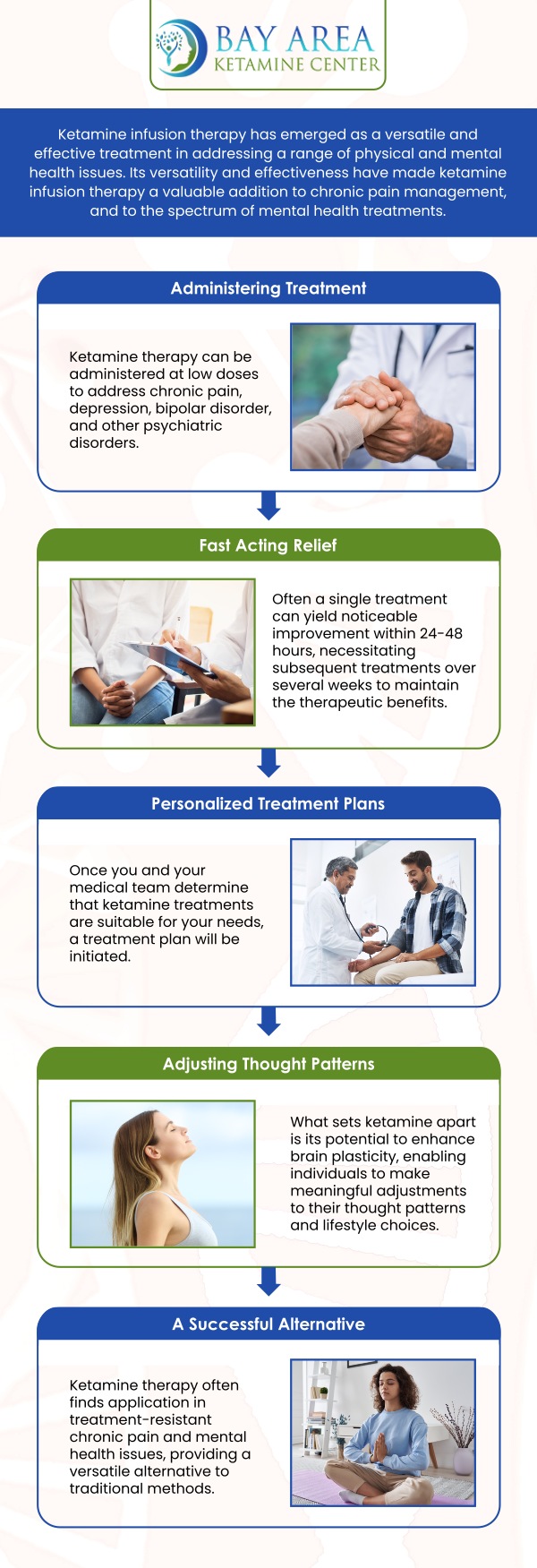
Table of Contents:
Can ketamine therapy be used for chronic pain?
What is the process for starting ketamine therapy?
Are ketamine infusions painful?
How quickly do you start seeing results from ketamine therapy?
How often will I need to go for ketamine therapy?
What is the role of ketamine therapy in mental health care?
Are the results of ketamine therapy permanent?
Can ketamine therapy be used for bipolar disorder?
Does ketamine therapy have a high success rate?
How soon can I expect to feel better after starting ketamine therapy?
Is there any preparation required before a ketamine session?
Are there long-term effects of ketamine therapy?
What makes ketamine therapy different from other treatments for mental health conditions?
What happens if I miss a ketamine treatment session?
Yes, ketamine therapy can be used to treat certain types of chronic pain, particularly neuropathic pain and complex regional pain syndrome (CRPS). It works by modulating the NMDA receptors in the nervous system, which are involved in pain signaling. For patients with conditions resistant to conventional treatments, ketamine infusions may provide significant relief. However, its use for pain should be carefully monitored by a qualified medical provider.
Starting ketamine therapy typically begins with a consultation to review your medical history, current medications, and treatment goals. A healthcare provider evaluates whether ketamine is safe and appropriate for your condition. The process usually involves scheduling an initial infusion session, often in a controlled clinical environment with monitoring. Providers may also outline a series of sessions and discuss potential benefits, side effects, and follow-up care.
Ketamine infusions are generally not considered painful. Most patients report only mild discomfort at the IV site, similar to other IV therapies. Some individuals may feel mild pressure or a slight burning sensation as the medication is administered. Medical staff monitors the process closely to ensure comfort and address any sensations or anxiety during the session.
Some individuals experience relief from symptoms within hours to a few days after an infusion, particularly for depression or certain types of chronic pain. Results can vary depending on the condition being treated and individual factors like metabolism and overall health. Often, multiple sessions are needed to maintain symptom improvement. Providers track progress and adjust treatment plans as necessary to optimize outcomes.
The frequency of ketamine therapy depends on the condition being treated and the individual’s response. Initial treatments may be scheduled two to three times per week over a period of several weeks. After the initial phase, maintenance sessions might be spaced out every few weeks to months. Your provider will tailor the schedule based on symptom relief and any side effects experienced.
Ketamine therapy is increasingly used to treat mental health conditions such as treatment-resistant depression, PTSD, and severe anxiety. It works by rapidly affecting neurotransmitters like glutamate, which can improve mood and cognitive function. Ketamine provides an option for individuals who have not responded to traditional antidepressants or psychotherapy. It is typically used in conjunction with ongoing mental health support to maximize long-term benefits.
Results from ketamine therapy are usually not permanent and can vary among individuals. Many patients require multiple sessions to maintain symptom relief, and periodic maintenance treatments may be needed. Long-term outcomes also depend on addressing underlying causes and engaging in complementary therapies. Providers often combine ketamine with behavioral health strategies to sustain improvements.
Ketamine may be considered for bipolar disorder, particularly for depressive episodes, but its use requires careful monitoring. It is not a first-line treatment and is typically considered when standard therapies have been insufficient. Providers evaluate risks such as triggering mania or other mood shifts. Ketamine treatment is part of a broader, individualized care plan for bipolar disorder.
Ketamine therapy has shown high success rates for treatment-resistant depression and certain chronic pain conditions. Studies suggest that many patients experience rapid symptom relief compared to traditional treatments. However, success rates vary depending on the condition, patient health, and adherence to the therapy plan. Continuous monitoring and follow-up sessions improve the likelihood of sustained benefits.
Some patients report improvements within hours after their first infusion, particularly in mood-related conditions. Pain relief may also occur quickly for certain neuropathic conditions. Other individuals may require several sessions before noticing significant benefits. Providers track progress closely and adjust treatment schedules to maximize the therapeutic response.
Preparation may include fasting for a few hours before the infusion, avoiding alcohol or certain medications, and arranging transportation home. Patients are advised to wear comfortable clothing and relax before treatment. Medical staff reviews your health history and current medications to ensure safety. Following these steps helps optimize comfort and effectiveness during the session.
Long-term effects are generally uncommon when ketamine is used under medical supervision. Some patients may experience temporary side effects like dizziness, nausea, or mild dissociation. There is limited research on extended use, so ongoing monitoring is essential. Providers balance treatment benefits against risks and adjust therapy to maintain safety over time.
Ketamine acts rapidly on the brain’s glutamate system, unlike traditional antidepressants that often take weeks to work. Its fast-acting nature can provide immediate symptom relief for severe depression or suicidal thoughts. The therapy can also target neural pathways associated with pain and mood regulation. This unique mechanism offers an alternative for patients not responding to conventional treatments.
Missing a session may reduce the overall effectiveness of the therapy and delay symptom improvement. Providers usually reschedule missed sessions to maintain the treatment schedule. It’s important to communicate promptly with the clinic if a session cannot be attended. Adjusting the treatment plan helps ensure consistency and maximizes the likelihood of positive results.
With ongoing support and follow-up care at Bay Area Ketamine Center, Dr. Paul Wender, MD, helps patients maximize the benefits of ketamine therapy. Our team is dedicated to guiding each individual through their treatment journey, addressing questions, and adjusting plans as needed. By combining personalized care with a safe, supportive environment, we aim to help clients achieve meaningful improvements in mood, pain management, and overall well-being. Your path to renewed mental and physical health begins here. For more information, contact us today or schedule an appointment online. We are conveniently located at 746 Altos Oaks Drive Suite B, Los Altos, CA 94024. We serve patients from Los Altos CA, Sunnyvale CA, Palo Alto CA, Atherton CA, Cupertino CA, Santa Clara CA, Mountain View CA, the Bay Area, and surrounding areas.

Check Out Our 5 Star Reviews




 Send Text
 How May I Help You?