

How Ketamine-Assisted Psychotherapy (KAP) Works: Understanding the Process
Ketamine-Assisted Psychotherapy (KAP) combines medically guided ketamine treatment with therapeutic support to help patients explore emotions, thoughts, and patterns more deeply. During the process, ketamine may support a more open and reflective mental state, while therapy helps patients process insights in a meaningful way. At Bay Area Ketamine Center in Los Altos, CA, Dr. Paul Wender, MD, and the team focus on safe, personalized care. KAP may help patients seeking support for depression, anxiety, PTSD, and treatment-resistant mood concerns. For more information, contact us or schedule an appointment online. We are conveniently located at 746 Altos Oaks Drive Suite B, Los Altos, CA 94024.
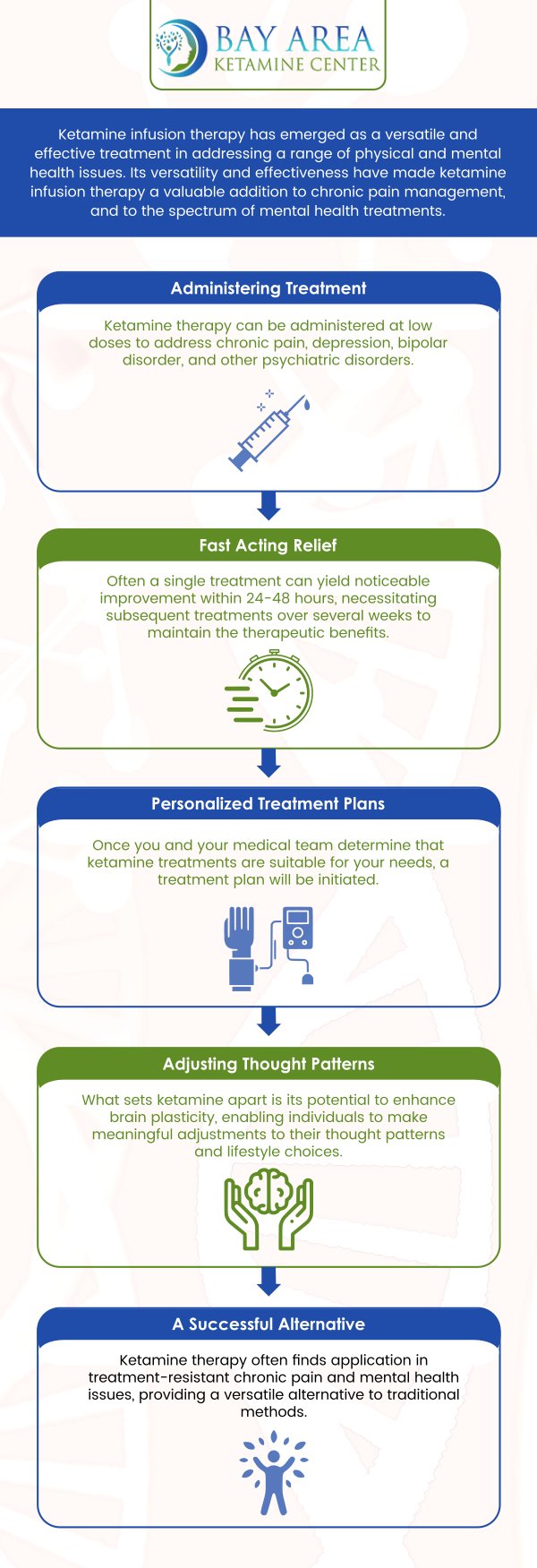
Table of Contents:
What is Ketamine-Assisted Psychotherapy (KAP) and how does it support mental health?
How do you collaborate with a patient’s external therapist during KAP sessions?
What role does a psychologist play in post-infusion integration therapy?
Are there recommended exercises or activities to do with my therapist after an infusion?
How is progress tracked between KAP sessions and traditional therapy sessions?
Why trust Dr. Paul Wender, MD, at Bay Area Ketamine Center to guide your Ketamine-Assisted Psychotherapy (KAP) sessions?
Ketamine-Assisted Psychotherapy, also known as KAP, combines the therapeutic effects of ketamine with guided psychotherapy to support patients struggling with mental health concerns such as depression, anxiety, emotional distress, and treatment-resistant symptoms. During KAP, ketamine may help create a more open, reflective mental state, allowing patients to explore thoughts, emotions, and patterns that may feel difficult to access in traditional therapy alone.
At Bay Area Ketamine Center, Dr. Paul Wender, MD, and the experienced care team provide a thoughtful, medically guided approach to Ketamine-Assisted Psychotherapy in Los Altos, CA. The goal is to support emotional clarity, deeper self-awareness, and meaningful healing while helping patients feel safe, informed, and supported throughout the treatment process.
Collaboration with a therapist can be an important part of Ketamine-Assisted Psychotherapy. When appropriate and with the patient’s permission, communication between the KAP team and the therapist can help align treatment goals, clarify emotional themes, and support continuity of care before and after ketamine sessions.
At Bay Area Ketamine Center, Dr. Paul Wender, MD, and the team value a coordinated care model that respects the role of each mental health professional involved. By working alongside a therapist, the clinic helps create a more connected treatment experience that supports both the medical and therapeutic aspects of KAP.
A psychologist can play a key role after a ketamine infusion by helping the patient process emotions, memories, insights, or new perspectives that may arise during treatment. This process, often called integration therapy, helps translate the ketamine experience into practical emotional growth, healthier coping tools, and meaningful steps toward long-term mental wellness.
At Bay Area Ketamine Center, Dr. Paul Wender, MD, and the care team understand that ketamine therapy works best when patients receive supportive follow-up and thoughtful guidance. A therapist can help patients reflect on their experience in a structured way, making post-infusion integration an important part of the overall KAP journey.
After a ketamine infusion, patients may benefit from therapist-guided exercises such as journaling, mindfulness, breathwork, grounding techniques, emotional reflection, or discussing key thoughts and feelings that came up during the session. These activities can help patients organize their experience and identify patterns, goals, or emotional breakthroughs that may support continued healing.
The team at Bay Area Ketamine Center encourages patients to approach integration with patience and intention. Under the guidance of Dr. Paul Wender, MD, KAP is designed to support a broader mental health plan, and working with a trusted therapist after treatment can help patients apply insights from the infusion to their everyday life.
Progress between Ketamine-Assisted Psychotherapy sessions and traditional therapy sessions may be tracked through symptom changes, mood patterns, emotional awareness, sleep quality, daily functioning, and the patient’s ability to use new coping strategies. Therapists may also help patients identify recurring themes, breakthroughs, or challenges that should be discussed before the next KAP session.
At Bay Area Ketamine Center, Dr. Paul Wender, MD, and the team focus on patient-centered care that supports ongoing evaluation and communication. By monitoring how patients respond between sessions, the clinic can help ensure that KAP remains aligned with each patient’s mental health goals and overall treatment plan.
Dr. Paul Wender, MD, brings a strong medical background and specialized experience to Ketamine-Assisted Psychotherapy at Bay Area Ketamine Center. As a board-certified anesthesiologist with extensive experience in patient safety, pain management, anesthesia, and ketamine treatment, Dr. Wender provides a medically grounded approach for patients seeking support for depression, anxiety, and other mental health concerns.
Patients trust Bay Area Ketamine Center because Dr. Wender and his team combine medical oversight with compassionate, individualized care. From consultation through treatment and integration support, the clinic focuses on helping patients feel informed, comfortable, and supported while exploring KAP as part of a comprehensive mental health plan. For more information, contact us or schedule an appointment online. We are conveniently located at 746 Altos Oaks Drive Suite B, Los Altos, CA 94024. We serve patients from Los Altos, CA, Sunnyvale, CA, Palo Alto, CA, Stanford, CA, Atherton, CA, Cupertino, CA, Santa Clara, CA, Mountain View, CA, Loyola, CA, and surrounding areas.

Check Out Our 5 Star Reviews




 Send Text
 How May I Help You?