

How Can Ketamine Therapy Help With PTSD in Los Altos, CA?
PTSD can affect mood, sleep, relationships, focus, and daily functioning, especially when symptoms continue despite traditional treatment. Bay Area Ketamine Center offers compassionate ketamine therapy for PTSD under the care of Dr. Paul Wender, MD. We take a personalized, medically guided approach by reviewing each patient’s trauma history, symptoms, medications, and overall health before recommending care. In a calm and supportive setting, ketamine therapy may help patients explore relief from persistent PTSD symptoms while supporting emotional balance, resilience, and improved quality of life. For more information, contact us or schedule an appointment. We are conveniently located at 746 Altos Oaks Drive Suite B, Los Altos, CA 94024.
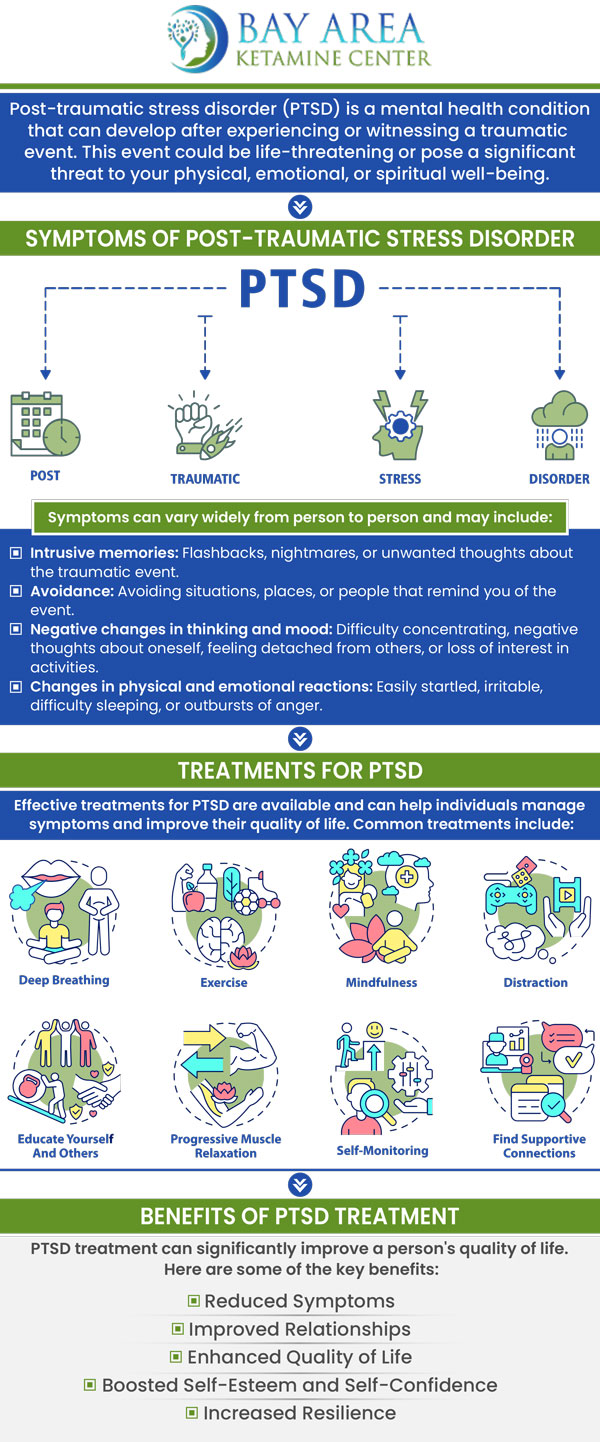
Table of Contents:
What is the most common treatment for PTSD?
How can you treat PTSD with ketamine?
What does a PTSD attack feel like?
PTSD, or post-traumatic stress disorder, is a mental health condition that can develop after experiencing or witnessing a traumatic event such as combat, a serious accident, violence, or prolonged abuse. Symptoms may include intrusive memories, nightmares, anxiety, emotional distress, avoidance, and changes in mood or behavior. Treatment options for PTSD have continued to evolve, and ketamine therapy is being studied as a potential option for some individuals, particularly when symptoms have not improved enough with more traditional approaches.
There are many types of treatment for PTSD, and since it has such a diverse set of causes, different therapies may work better for some than others. Common types of treatment include:
Pharmacology (Medication) — Commons medications for PTSD typically work to alleviate symptoms, although more cutting-edge therapies seek to address the source of the trauma. This includes therapies using ketamine, which is known to alter the brain’s chemistry to promote proper imbalances and emotional regulation.
Psychotherapy — Also known as talk therapy, psychotherapy has been used in the treatment of PTSD for many years. It is often used in tandem with medications.
Neurological Therapies — These treatments focus on the brain and nervous system and can help to restore function and reduce symptoms associated with PTSD.
At-home Coping Methods — Common coping methods one can practice at home include writing, yoga and meditation. These are proven methods to control one’s thoughts and take control of the present moment. This can be hugely advantageous when experiencing intrusive thoughts or memories.
Ketamine works differently from selective serotonin reuptake inhibitors (SSRIs). Rather than primarily targeting serotonin, ketamine affects glutamate signaling in the brain, including pathways involved in mood, learning, memory, and stress responses. By influencing NMDA receptors and supporting neuroplasticity, ketamine may help the brain form new connections and process emotional experiences differently. Research suggests this may contribute to improvements in certain PTSD symptoms for some patients.
Ketamine therapy is not considered a cure for PTSD, and individual responses can vary. When used as part of a carefully supervised treatment plan, it may help reduce symptoms such as anxiety, intrusive thoughts, emotional distress, or persistent negative thought patterns. For some patients, these changes may make it easier to engage in therapy, develop healthier coping strategies, and reconnect with everyday activities and relationships.
It could mean you are having a PTSD panic attack if you experience a sudden onset of intense fear. This sudden onset of fear may come without warning or without any clear cause. A PTSD panic attack may be triggered if something reminds a person of their trauma. During a panic attack, it is common to feel afraid of dying or of losing control. It may seem like your surroundings are surreal. A panic attack usually lasts about 5 to 20 minutes but in some cases can last even longer, up to a few hours. The most anxiety is usually felt about 10 minutes after the attack starts. Panic attacks may manifest physical symptoms, including:
• Chest pain
• Fast or throbbing heartbeat
• Difficulty breathing
• Dizziness, shaking, or trembling
• Stomach pain or nausea
• Sweating
• Chills or hot flashes
• Feeling of choking
People with a panic disorder often experience more than one panic attack, or feel worried about the next time a panic attack will happen. Worrying about potential panic attacks in the future can cause high amounts of stress and can interfere with quality of life.
If you or someone you know is struggling with PTSD and is looking for an alternative method to manage their symptoms, come to Bay Area Ketamine Center for treatment today. Our kind and compassionate professionals are experienced in treating PTSD with ketamine therapies and can help improve your quality of life.
Changes in PTSD symptoms can be evaluated by reviewing how a patient feels and functions between IV ketamine therapy sessions. The clinical team may look at changes in anxiety, intrusive thoughts, nightmares, sleep quality, mood, avoidance behaviors, emotional reactivity, and overall daily functioning. Patients may also be asked whether certain triggers feel more manageable or whether they notice improvements in concentration, motivation, or their ability to participate in everyday activities.
Tracking these changes over time helps the clinical team understand how the patient is responding to treatment and whether the care plan should be adjusted. Patients are encouraged to report both improvements and any new or worsening symptoms between infusions. At Bay Area Ketamine Center, ongoing evaluation supports a more personalized approach to IV ketamine therapy for PTSD and helps guide decisions about future sessions or maintenance treatment.
At Bay Area Ketamine Center, board-certified Dr. Paul Wender, MD, provides doctor-led ketamine treatment for eligible patients struggling with PTSD symptoms. PTSD can affect sleep, mood, emotional regulation, relationships, and daily comfort, so Dr. Wender takes a careful and personalized approach before recommending care. He reviews each patient’s trauma history, mental health symptoms, medical background, previous treatments, current medications, and overall wellness goals to determine whether ketamine therapy may be appropriate.
Patients can trust Dr. Paul Wender, MD, because his approach emphasizes safety, compassion, and close clinical supervision throughout the treatment process. He helps patients understand what to expect before, during, and after each session, creating a calm and supportive environment where they feel respected and informed. For patients who have not found enough relief with traditional PTSD treatment options, ketamine therapy may offer additional support for emotional balance, reduced distress, and improved daily functioning. At Bay Area Ketamine Center, Dr. Wender’s physician-guided care helps Bay Area patients explore advanced PTSD treatment with confidence.
For more information, contact us today or request an appointment online. Our clinic is conveniently located at 746 Altos Oaks Drive Suite B, Los Altos, CA 94024. We serve patients from Los Altos CA, Sunnyvale CA, Palo Alto CA, Atherton CA, Cupertino CA, Santa Clara CA, Mountain View CA, the Bay Area, and surrounding areas.

Check Out Our 5 Star Reviews




 Send Text
 How May I Help You?