

Ketamine Treatment for Depression in Los Altos, CA
At Bay Area Ketamine Center, ketamine treatment for depression is provided under the medical supervision of Dr. Paul Wender, MD, using an individualized approach for eligible patients who have not experienced sufficient improvement with traditional treatments. Each patient receives a comprehensive evaluation so Dr. Wender can develop a treatment plan based on their symptoms, health history, previous treatment experiences, and mental health goals. Treatment takes place in a controlled clinical setting with monitoring throughout each session, while our team provides ongoing support focused on managing depressive symptoms and promoting emotional well-being. For more information, contact us today or request an appointment online. Our clinic is conveniently located at 746 Altos Oaks Drive Suite B, Los Altos, CA 94024.
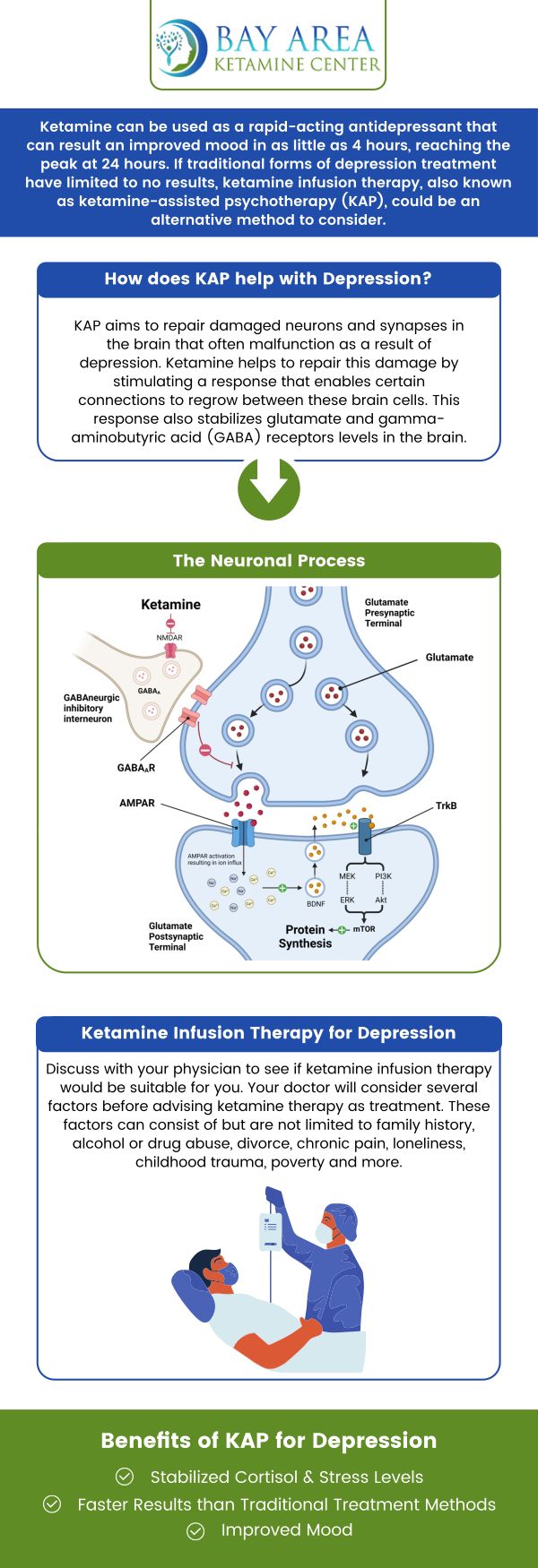
Table of Contents:
What is the number one cause of depression?
Who is at higher risk of depression?
What are the most effective ways to treat depression?
Safe & Supervised Ketamine Treatment for Depression at Bay Area Ketamine Center Serving Bay Area, Los Altos, CA
Depression can affect how a person feels, thinks, functions, and connects with others, and its impact is not always visible to those around them. For individuals who continue to experience significant depressive symptoms despite trying traditional treatment approaches, finding another option may be an important part of their care. Ketamine infusion therapy may be considered for certain patients with treatment-resistant depression as part of a medically supervised treatment plan.
At Bay Area Ketamine Center, Dr. Paul Wender, MD, provides personalized ketamine infusion therapy for eligible patients who have not experienced sufficient improvement with previous treatments. Our team evaluates each patient’s symptoms, treatment history, health background, and individual goals before determining whether ketamine therapy may be appropriate. Treatment is provided with medical supervision and ongoing guidance, allowing care to be tailored to each patient’s needs and response.
Depression can develop from a combination of biological, psychological, and environmental factors rather than one single cause. Changes in brain chemistry and function, genetic predisposition, hormonal changes, chronic stress, trauma, and difficult life circumstances may contribute to the development of depressive symptoms. Certain medical conditions and medications can also affect mood and may play a role in depression.
Several factors may increase the risk of developing depression, including a personal or family history of depression, prolonged stress, significant loss, social isolation, substance use, sleep difficulties, and other mental or physical health conditions. Having one or more risk factors does not mean someone will develop depression, but recognizing these factors can help individuals seek appropriate support when persistent symptoms begin affecting daily life.
At Bay Area Ketamine Center, Dr. Paul Wender, MD, considers each patient’s symptoms, health history, previous treatment experiences, and individual circumstances when evaluating depression. Our team provides personalized assessments to help determine appropriate treatment options, including whether ketamine therapy may be considered for eligible patients who have not experienced sufficient improvement with previous approaches.
Certain factors can increase a person’s risk of developing depression, although having one or more risk factors does not mean depression will necessarily occur. A personal or family history of depression, prolonged stress, traumatic experiences, significant life changes, social isolation, and ongoing emotional difficulties may contribute to a higher risk. Other factors, including certain medical conditions, sleep problems, substance use, and hormonal changes, may also influence mood and emotional well-being.
Depression can affect people at different stages of life and may develop through a combination of biological, psychological, and environmental influences. Individuals who experience recurring depressive episodes or have other mental or physical health concerns may also require closer attention to persistent changes in mood, motivation, sleep, concentration, or daily functioning. Recognizing potential risk factors can encourage timely professional evaluation when symptoms begin interfering with everyday life.
At Bay Area Ketamine Center, Dr. Paul Wender, MD, considers each patient’s symptoms, health history, previous treatment experiences, and individual circumstances when evaluating depression. Our team provides personalized assessments to help determine appropriate treatment options and whether ketamine therapy may be considered for eligible patients who have not experienced sufficient improvement with previous approaches.
Treatment for depression depends on the type and severity of symptoms, previous treatment experiences, overall health, and individual needs. Common approaches include psychotherapy, antidepressant medications, or a combination of both. Lifestyle changes such as maintaining regular sleep, physical activity, social connection, and healthy daily routines may also complement professional treatment. For people who do not respond sufficiently to standard approaches, additional options such as transcranial magnetic stimulation (TMS), electroconvulsive therapy (ECT), or specialized treatments may be considered.
There is no single treatment that works equally well for everyone. A comprehensive evaluation can help determine which approach may be appropriate based on the individual’s symptoms, medical history, and treatment response. For treatment-resistant depression, ketamine therapy may be considered as an additional option in appropriate patients. The potential benefits, risks, and treatment expectations should be discussed with a qualified medical professional before starting care.
At Bay Area Ketamine Center, Dr. Paul Wender, MD, evaluates patients based on their symptoms, previous treatment experiences, health history, and individual goals. For eligible patients, our team provides medically supervised ketamine treatment as part of a personalized approach to managing persistent or treatment-resistant depression.
Ketamine can have a faster onset of antidepressant effects than many traditional antidepressant medications, with some patients reporting changes in depressive symptoms within hours or days of treatment. However, the timing and degree of improvement vary from person to person. Factors such as symptom severity, treatment history, overall health, and individual response can influence when changes are noticed. Ketamine is not a guaranteed or immediate solution, and ongoing evaluation is important when assessing treatment response.
At Bay Area Ketamine Center, Dr. Paul Wender, MD, evaluates each patient’s symptoms, previous treatment experiences, health history, and individual goals before recommending ketamine therapy. Our team provides medically supervised treatment and monitors patients throughout their care to assess how they respond over time. This personalized approach allows treatment recommendations to be considered according to each patient’s needs and response to therapy.
At Bay Area Ketamine Center, patients receive safe and supervised ketamine treatment for depression under the care of board-certified Dr. Paul Wender, who ensures every step of care is guided by clinical precision and individualized attention. The treatment process begins with a detailed psychiatric evaluation to understand each patient’s history, current symptoms, and prior treatment responses. This allows Dr. Wender to determine whether ketamine therapy is appropriate and to design a personalized treatment plan that prioritizes both safety and effectiveness.
At Bay Area Ketamine Center, all ketamine sessions are conducted in a controlled medical environment where patients are continuously monitored by trained clinical staff. Dr. Wender carefully oversees dosing and response tracking throughout each session, making adjustments when necessary to support optimal outcomes. We are designed to provide a calm and supportive setting, helping patients feel comfortable while receiving care aimed at reducing depressive symptoms and improving emotional stability.
With Dr. Wender’s expertise and a structured treatment protocol, the clinic focuses on measurable improvements in mood, cognition, and daily functioning over time. Patients benefit from a consistent, safety-first approach that combines medical supervision with compassionate care, making Bay Area Ketamine Center a trusted option for depression treatment in the Bay Area, Los Altos, CA. For more information, contact us today or request an appointment online. Our clinic is conveniently located at 746 Altos Oaks Drive Suite B, Los Altos, CA 94024. We serve patients from Los Altos CA, Sunnyvale CA, Palo Alto CA, Atherton CA, Cupertino CA, Santa Clara CA, Mountain View CA, the Bay Area, and surrounding areas.

Check Out Our 5 Star Reviews




 Send Text
 How May I Help You?