

Can Ketamine Cause Migraines or Make Existing Headaches Worse?
Ketamine can sometimes cause a temporary headache after an infusion, but this does not always mean it has triggered a migraine. People with existing migraine or chronic headache conditions may notice symptoms that differ in timing, intensity, or duration after treatment. At Bay Area Ketamine Center in Los Altos, CA, Dr. Paul Wender, MD, reviews each patient’s headache history and monitors treatment-related effects carefully. Persistent, severe, or unusual headaches should be reported promptly for medical evaluation. For more information, contact us or schedule an appointment online. We are conveniently located at 746 Altos Oaks Drive Suite B, Los Altos, CA 94024.
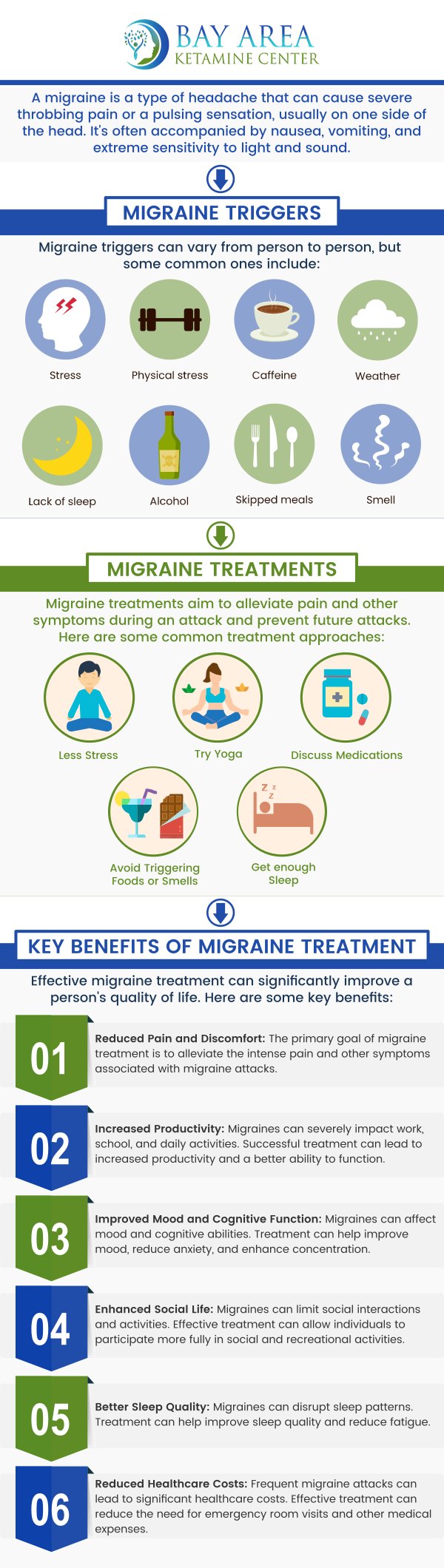
Table of Contents:
Can ketamine cause migraines after an infusion or treatment session?
Why can ketamine cause migraines or temporary headaches in some patients?
Can ketamine cause migraines in people with a history of chronic headaches?
When should patients seek medical guidance if ketamine causes migraines?
Why Choose Dr. Paul Wender, MD, at Bay Area Ketamine Center for Monitored Ketamine Treatment in Los Altos, CA?
A temporary headache can occur after ketamine treatment, but a headache is not automatically a migraine. Migraine is a neurological condition that may involve throbbing pain, nausea, vomiting, sensitivity to light or sound, and visual or sensory changes. Headache is a recognized possible effect following ketamine treatment, and it is often temporary. Current evidence does not establish that medically supervised intravenous ketamine routinely causes a new chronic migraine condition.
At Bay Area Ketamine Center in Los Altos, CA, Dr. Paul Wender, MD, evaluates headache symptoms based on when they started, how long they lasted, where the pain occurred, and whether other symptoms were present. A headache following an infusion should be reported, especially when it differs from the patient’s usual headache pattern. This medical review helps distinguish a temporary post-treatment headache from a migraine episode or another condition requiring further evaluation.
The exact reason a person develops a headache after ketamine cannot always be determined from the symptom alone. Ketamine can temporarily increase blood pressure and pulse. Treatment may also be associated with nausea, dizziness, dissociation, sedation, or changes in sensory perception. A headache may occur during the infusion or recovery period, but these symptoms do not always indicate that ketamine directly caused a migraine.
Dr. Paul Wender, MD, reviews blood pressure readings, current medications, previous headache patterns, and symptoms experienced before, during, and after treatment at Bay Area Ketamine Center. This review is important because headaches can have several possible causes and should not automatically be attributed to ketamine. Accurate monitoring helps determine whether the patient needs observation, supportive care, an adjustment to the treatment plan, or a separate medical evaluation.
Having a history of migraines or chronic headaches does not confirm that ketamine will trigger another episode. It also does not automatically prevent a person from being evaluated for treatment. Ketamine has been studied in medical settings for difficult-to-manage migraine and headache conditions, but evidence remains limited. It should not be described as either a guaranteed migraine treatment or a predictable migraine trigger.
At Bay Area Ketamine Center in Los Altos, CA, Dr. Paul Wender, MD, uses the initial consultation to understand the patient’s typical headache pattern. Patients should report whether previous episodes involved one-sided pain, nausea, vomiting, visual disturbances, numbness, speech problems, aura, or sensitivity to light and sound. Establishing this baseline makes it easier to identify changes following treatment.
When headaches repeatedly occur after ketamine infusions, their timing, duration, severity, and associated symptoms should be carefully reviewed. Dr. Paul Wender, MD, may assess whether treatment remains appropriate based on the patient’s overall response and safety findings. Additional sessions should not proceed without evaluating recurring or worsening headache symptoms.
Patients should contact their treating clinician when a post-infusion headache persists, becomes more painful, repeatedly returns after treatment, or differs noticeably from their usual migraine symptoms. Medical guidance is also appropriate when a headache occurs with prolonged vomiting, significant blood pressure elevation, new visual changes, or recovery effects that continue longer than expected.
Emergency medical care is necessary for a sudden and extremely severe headache, seizure, loss of consciousness, new weakness or numbness, difficulty speaking, severe confusion, loss of balance, major vision changes, chest pain, or difficulty breathing. A severe headache accompanied by fever and a stiff neck also requires urgent evaluation. These warning signs should not be managed as routine post-infusion discomfort.
At Bay Area Ketamine Center, Dr. Paul Wender, MD, provides monitored treatment and post-infusion instructions so patients understand how to respond to symptoms after leaving the clinic. Patients should report unexpected headaches, migraine symptoms, or delayed treatment effects according to the guidance they receive. Clear communication helps determine whether a symptom can be monitored or requires prompt medical attention.
Dr. Paul Wender, MD, provides physician-supervised ketamine infusion care at Bay Area Ketamine Center in Los Altos, CA. His anesthesiology and pain-management background supports careful patient selection, medication administration, vital-sign monitoring, and evaluation of treatment-related effects. Monitoring is important because ketamine can temporarily affect blood pressure, pulse, perception, balance, alertness, and physical comfort.
Personalized care includes reviewing migraine history, chronic headache diagnoses, current prescriptions, previous medication reactions, and neurological warning signs. Dr. Paul Wender, MD, does not treat every post-infusion headache as the same condition. At Bay Area Ketamine Center, further recommendations are based on the patient’s medical history, treatment response, symptom pattern, and safety findings. For more information, contact us or schedule an appointment online. We are conveniently located at 746 Altos Oaks Drive Suite B, Los Altos, CA 94024. We serve patients from Los Altos CA, Sunnyvale CA, Palo Alto CA, Atherton CA, Cupertino CA, Santa Clara CA, Mountain View CA, the Bay Area, and surrounding areas.

Check Out Our 5 Star Reviews




 Send Text
 How May I Help You?