

How Can Ketamine for Postpartum Depression Support Emotional Recovery?
Ketamine for postpartum depression may support emotional recovery by addressing severe depressive symptoms when standard treatments have not provided enough relief. It may help improve mood, emotional stability, concentration, and participation in daily activities for medically appropriate patients. At Bay Area Ketamine Center in Los Altos, CA, Dr. Paul Wender, MD, carefully reviews medical history, current symptoms, medications, and postpartum safety factors. Treatment is personalized, closely monitored, and coordinated with ongoing mental health and maternal care. For more information, contact us or schedule an appointment online. We are conveniently located at 746 Altos Oaks Drive Suite B, Los Altos, CA 94024.
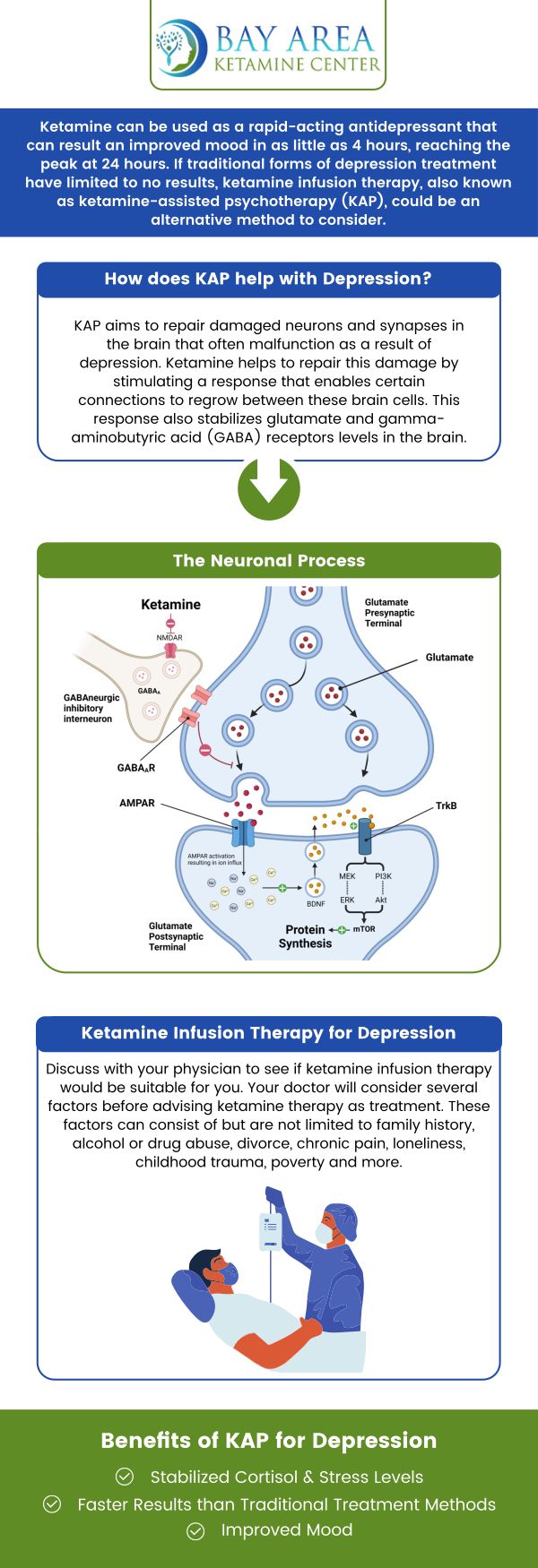
Table of Contents:
How does ketamine for postpartum depression support emotional well-being?
Who may be a candidate for ketamine for postpartum depression?
How quickly can ketamine for postpartum depression begin providing relief?
What safety factors are considered before using ketamine for postpartum depression?
Why Choose Dr. Paul Wender, MD, at Bay Area Ketamine Center for Ketamine Care After Childbirth in Los Altos, CA?
Postpartum depression is a major depressive episode that begins during pregnancy or after childbirth and can affect mood, concentration, sleep, appetite, energy, safety, relationships, and daily functioning. Ketamine changes glutamate signaling through N-methyl-D-aspartate, or NMDA, receptors and has demonstrated rapid antidepressant effects in some adults with treatment-resistant depression. Intravenous ketamine is not FDA-approved specifically for postpartum depression, and evidence for treating established postpartum depression remains limited. It should not be presented as a cure or a replacement for comprehensive perinatal mental health care.
When ketamine is considered, emotional well-being is evaluated through measurable changes in symptoms and function. Dr. Paul Wender, MD, reviews whether a patient experiences improved mood, clearer thinking, greater ability to complete daily activities, and better participation in psychotherapy or other recommended care. At Bay Area Ketamine Center in Los Altos, CA, treatment decisions are based on documented response and safety. Improvement is not assumed from temporary sedation, dissociation, or other sensations experienced during an infusion.
A possible candidate may be an adult with a confirmed postpartum depression diagnosis whose symptoms remain severe or disabling despite appropriate first-line care. Previous treatment may include psychotherapy, prescribed antidepressant treatment, coordinated obstetric care, or other evidence-based interventions. The evaluation also considers how symptoms affect sleep, nutrition, relationships, and the ability to care safely for oneself and an infant. Ketamine is an off-label option, so the potential benefits, limitations, alternatives, and uncertainties must be discussed before treatment.
Candidacy requires screening for bipolar disorder, mania, psychosis, substance-use concerns, uncontrolled blood pressure, cardiovascular disease, liver concerns, medication interactions, and other conditions that can change treatment risk. Postpartum psychosis, hallucinations, severe confusion, manic behavior, suicidal intent, or thoughts of harming the baby require urgent emergency assessment rather than a routine ketamine appointment. Dr. Paul Wender, MD, reviews medical and psychiatric history at Bay Area Ketamine Center and coordinates care when input from an obstetrician, psychiatrist, primary care clinician, or pediatrician is needed.
Ketamine has produced antidepressant effects within hours or days in some adults with treatment-resistant depression. However, the response timeline for established postpartum depression has not been defined by strong clinical evidence. Studies involving ketamine or esketamine around cesarean delivery have mainly examined prevention or reduction of later depressive symptoms, which differs from treating a patient who already has postpartum depression. Therefore, no specific onset time or degree of relief should be guaranteed.
At Bay Area Ketamine Center, Dr. Paul Wender, MD, evaluates response using symptom history, clinical observation, and changes in daily function. One infusion does not establish whether benefits will continue, and a temporary change does not confirm long-term remission. Follow-up assessment helps determine whether persistent sadness, loss of interest, hopelessness, anxiety, impaired concentration, or inability to function has meaningfully improved. Additional treatment is considered only after reviewing response, side effects, safety, and the broader postpartum care plan.
Safety screening includes blood pressure, heart health, liver history, current prescriptions, substance use, previous reactions to anesthesia, psychiatric diagnoses, and symptom severity. Ketamine can temporarily cause increased blood pressure, nausea, dizziness, sedation, dissociation, altered perception, and impaired coordination. Patients need transportation home and must follow recovery restrictions. Because a postpartum patient may be caring for an infant, another responsible adult should provide transportation and childcare support after the infusion.
Breastfeeding requires an individualized discussion. Available research on ketamine transfer into human milk is limited, so feeding recommendations should not be generalized. Dr. Paul Wender, MD, reviews the infusion plan, timing, dose, infant health, feeding method, and guidance from the patient’s obstetric and pediatric clinicians. Patients should not stop breastfeeding, discard milk, or change prescribed treatment without medical direction. At Bay Area Ketamine Center, decisions consider both maternal mental health and infant safety.
Dr. Paul Wender, MD, is a board-certified anesthesiologist who provides physician-supervised ketamine infusion therapy at Bay Area Ketamine Center in Los Altos, CA. His medical background supports careful screening, intravenous medication administration, vital-sign monitoring, and recovery assessment. Each consultation reviews postpartum symptoms, previous treatments, medications, breastfeeding status, support systems, medical conditions, and treatment goals before ketamine is considered.
Bay Area Ketamine Center provides individualized information about ketamine’s off-label status for postpartum depression, the limitations of current evidence, possible side effects, and the need for coordinated follow-up care. Dr. Paul Wender, MD, does not use a fixed protocol for every postpartum patient or promise a specific outcome. Recommendations are based on medical appropriateness, informed consent, documented response, and communication with the patient’s established mental health and maternal-care team. For more information, contact us or schedule an appointment online. We are conveniently located at 746 Altos Oaks Drive Suite B, Los Altos, CA 94024. We serve patients from Los Altos CA, Sunnyvale CA, Palo Alto CA, Atherton CA, Cupertino CA, Santa Clara CA, Mountain View CA, the Bay Area, and surrounding areas.

Check Out Our 5 Star Reviews




 Send Text
 How May I Help You?